Ultimate Guide to Durable Solar Panel Mounting Rails
Solar energy continues to reshape how homes and businesses generate power. As more people turn toward renewable energy, the demand for solar panel mounting rails has skyrocketed. These rails are the foundation of every solar system, offering the stability and durability needed to secure panels efficiently. In 2025, choosing the right mounting rails isn’t just about strength—it’s about innovation, efficiency, and long-term value.
Why Solar Panel Mounting Rails Matter More Than Ever
Solar panels are only as effective as the structure that supports them. Without high-quality solar panel mounting rails, your solar investment could be at risk. These rails hold panels in place, optimize their angle toward the sun, and ensure maximum energy absorption throughout the year.
Today’s rails are designed for different surfaces—roofs, ground systems, and carports. As technology evolves, new materials, designs, and installation methods are revolutionizing solar setups worldwide.
Moreover, homeowners and installers now seek mounting solutions that are lightweight yet sturdy, simple to install yet resilient against extreme weather. Because of this growing demand, brands are racing to produce smarter, more cost-effective rails that promise years of performance.
Why Solar Panel Structure Design Matters
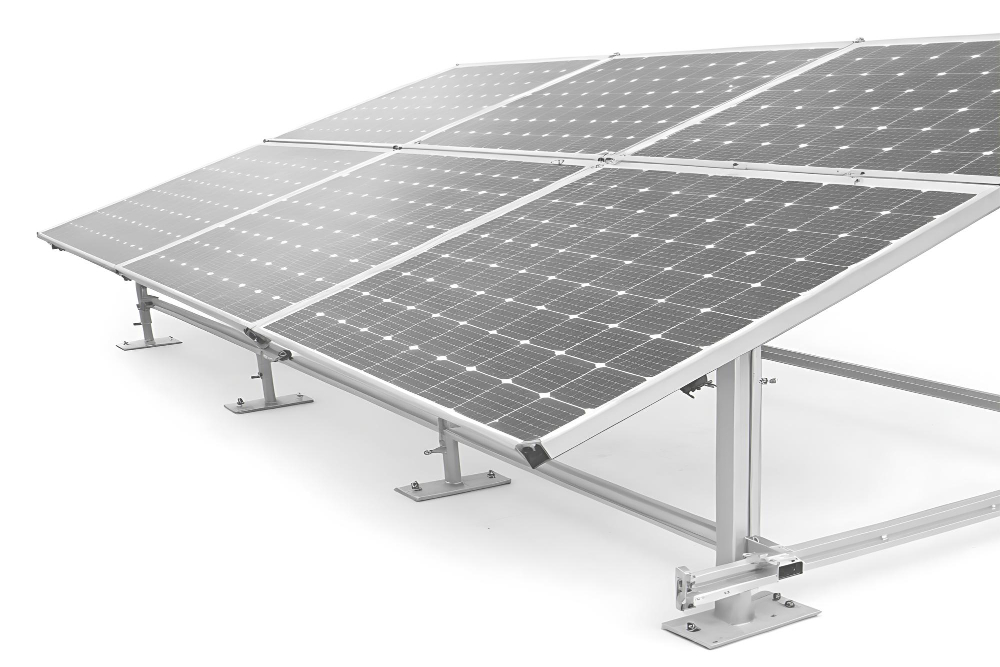
A solar panel’s efficiency depends not only on its technology but also on the structure supporting it. The design, angle, and positioning of the mounting structure directly influence how much sunlight reaches the panels.
In simple terms, even the smartest panel can underperform if installed on a poorly designed frame. Therefore, the solar panel structure plays a critical role in maximizing energy output.
1. The Role of Orientation and Tilt Angle
Proper orientation ensures that solar panels face the sun for the longest period each day. Typically, south-facing installations (in the Northern Hemisphere) capture the most sunlight. Similarly, the tilt angle must match the region’s latitude to achieve optimal exposure.
2. Material Strength and Durability
High-quality structures use aluminum or galvanized steel for strength and longevity. These materials resist corrosion, withstand high winds, and maintain structural integrity even in harsh climates.
3. Aerodynamic Design
Modern smart solar panel structures are designed with aerodynamics in mind. By reducing wind drag and pressure, they minimize maintenance costs and enhance system stability.
How Smart Solar Panel Structures Work
The brilliance of smart solar panel structures lies in their integration of AI, IoT (Internet of Things), and automation. These systems adjust dynamically to environmental factors, ensuring panels always operate at their peak performance.
1: Smart Tracking Systems
One of the key features is the solar tracking system. Unlike static setups, smart trackers move panels automatically to follow the sun’s position. This real-time adjustment increases energy yield by up to 25–40%.
2: IoT-Enabled Monitoring
With IoT integration, users can monitor power generation, efficiency levels, and even temperature data remotely. This real-time insight allows for predictive maintenance, reducing downtime and improving reliability.
3: Adaptive Shading Response
Smart systems can detect when shadows fall on certain sections of a panel. Instead of losing performance, they reroute energy flow to unshaded cells, maintaining consistent output throughout the day.
Benefits of Smart Solar Panel Structures
Integrating smart solar panel structures brings multiple advantages for homeowners, businesses, and industries alike.
1. Maximum Energy Efficiency
Smart structures track and adapt to sunlight, improving energy yield dramatically. By maintaining the perfect tilt and direction, they ensure that not a single ray of sunlight goes to waste.
2. Reduced Maintenance Costs
Built-in monitoring systems help detect problems early, preventing costly repairs. The system automatically reports underperforming panels, making maintenance faster and more efficient.
3. Enhanced Durability
These structures use corrosion-resistant materials and weatherproof coatings. As a result, they last longer and provide reliable support for decades.
4. Better Return on Investment
Although the initial installation cost is slightly higher, smart solar panel structures pay for themselves over time through higher energy output and lower maintenance expenses.
Applications of Smart Solar Panel Structures
Smart solar panel structures are adaptable and versatile. Their applications span across residential, commercial, and industrial sectors.
1: Residential Use
Homeowners can install rooftop smart panels that automatically optimize sunlight absorption. This ensures maximum savings on electricity bills while increasing property value.
2: Commercial Spaces
Businesses use smart solar installations to cut operational costs and meet sustainability goals. For instance, malls, schools, and corporate offices benefit from consistent energy generation even during cloudy conditions.
3: Industrial Projects
Large-scale solar farms use smart tracking structures to produce massive amounts of power efficiently. Their advanced monitoring systems make them ideal for grid-connected projects.
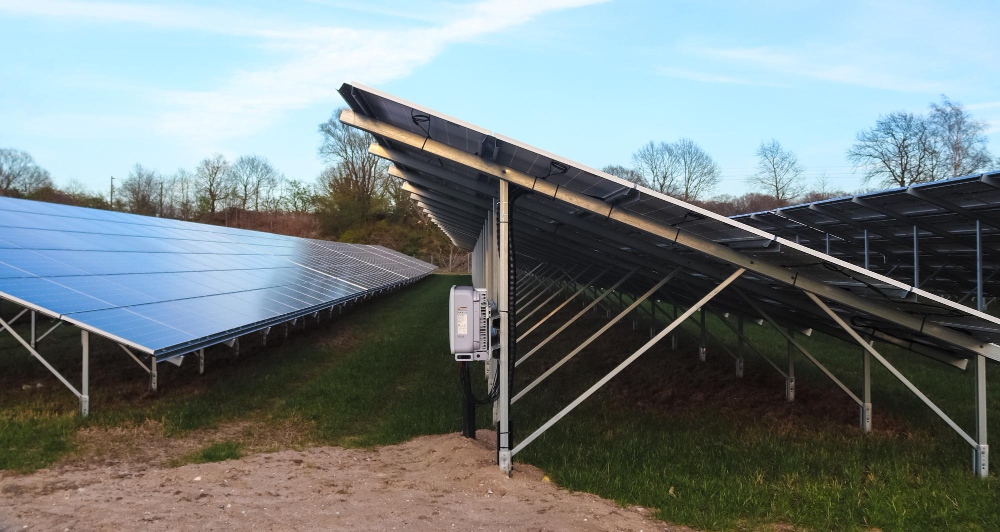
When selecting a smart solar panel structure, consider the following factors to ensure long-term performance and maximum energy yield.
1. Load-Bearing Capacity
The structure must support the panel’s weight and resist environmental stresses like wind and snow. A strong base ensures safety and efficiency.
2. Installation Flexibility
Choose designs that can adapt to different surfaces — rooftops, open fields, or carports. Modular and adjustable structures offer better scalability for future expansion.
3. Maintenance Accessibility
Smart structures should allow easy access for inspection and cleaning. Well-designed frames make maintenance more convenient and efficient.
4. Manufacturer Reputation
Always choose trusted manufacturers with proven expertise in smart solar technology. Certified materials and engineering designs ensure long-lasting performance.
Future Trends in Smart Solar Panel Structures
The future of smart solar panel structures looks brighter than ever. Emerging technologies are pushing the boundaries of efficiency and automation.
1: AI and Machine Learning Integration
AI algorithms are being used to predict energy patterns and optimize panel angles automatically. This predictive adjustment enhances output without human intervention.
2: Self-Cleaning Panels
Dust and dirt can block sunlight, reducing efficiency. Self-cleaning coatings and robotic wipers are being integrated into smart structures to keep panels clean year-round.
3: Hybrid Solar Systems
Future solar structures will combine photovoltaic panels with energy storage and smart grids. This will make solar power more stable and accessible even at night or during cloudy days.
Why Invest in Smart Solar Panel Structures Today
Energy independence and sustainability are no longer luxuries—they’re necessities. Investing in smart solar panel structures is not just a financial decision but also a contribution to a cleaner planet.
Moreover, governments and energy agencies around the world offer incentives for solar adoption. Early adopters benefit from reduced utility bills, tax credits, and long-term energy stability.
As the demand for renewable energy grows, smart solar technology continues to lead the charge toward a sustainable future.
Final Thoughts on Smart Solar Panel Structures
In summary, smart solar panel structures for maximum energy output represent the future of solar energy innovation. They merge intelligent design, adaptive performance, and advanced monitoring into one seamless system.
By integrating technology and sustainability, they empower homeowners and businesses to generate more power efficiently while reducing their carbon footprint.
The time to act is now — switch to smart solar panel structures and experience the power of innovation under the sun.